Transform Your Life with Sexual Wellness Tools
Vulvodynia
Erectile Dysfunction
Vulvodynia

Vulvodynia is a chronic pain condition involving the vulva, often described as burning, stinging, irritation, or rawness—without a clear medical cause. Pain can be constant or triggered by touch, penetration, sitting, or tight clothing, and it’s very real (not “in your head”). For those seeking vaginismus relief, there are sex tools that can help.
Medical-grade silicone dilators or very gentle, low-vibration external massagers can be beneficial when used slowly and intentionally. Dilators support pelvic floor relaxation, desensitization, and retraining the body to experience touch without pain. External toys with broad, soft surfaces (not pinpoint vibration) can enhance blood flow and promote relaxation without causing internal pressure. Always go slow, use plenty of lubricant, and stop at the first sign of discomfort.
Vaginismus
Erectile Dysfunction
Vulvodynia
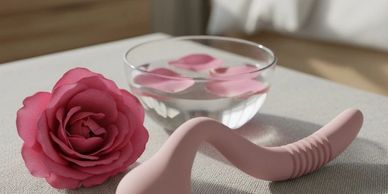
Vaginismus is a condition where the muscles around the vagina tighten automatically, even when penetration is desired. This involuntary response is your body's way of trying to protect itself, which can lead to painful or impossible insertion. It’s important to note that vaginismus is common, treatable, and not your fault. For those seeking vaginismus relief, various sex tools can be beneficial.
Soft silicone vaginal pelvic wands can help the body gradually learn to relax with penetration, starting very gently and allowing you to progress at your own pace. Additionally, some individuals find that gentle external vibrators applied to the vulva or perineum can encourage relaxation without the need for insertion. Remember to use plenty of lubricant, take things slowly, and stop if you experience any pain.
Erectile Dysfunction
Erectile Dysfunction
Postnatal pelvic floor changes
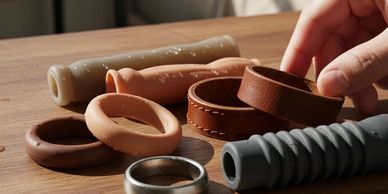
Erectile dysfunction (ED) refers to the difficulty in getting or maintaining an erection, which can occur occasionally or frequently, and it’s very common. ED can be influenced by various factors including stress, anxiety, health conditions, medications, or relationship dynamics. Importantly, it’s not a reflection of masculinity, desire, or worth. For those seeking erectile dysfunction solutions, there are various sex tools that can help. Vibrators, suitable for both solo and partnered use, can enhance sensation and alleviate the pressure to 'perform.' Cock rings may assist some individuals in maintaining firmness by promoting blood flow, while sleeves or strokers can enhance arousal and confidence, diverting attention from penetration. These tools are designed for pleasure and connection—not about fixing or forcing anything.
Postnatal pelvic floor changes
Postnatal pelvic floor changes
Postnatal pelvic floor changes

Postnatal pelvic floor changes can lead to a range of issues, such as weak, tense, or disconnected pelvic floor muscles after childbirth. This may manifest as leaking, heaviness, discomfort during sex, or reduced sensation, which are common concerns that can be addressed with effective treatments. It's important to note that these changes are very treatable, as your body has been through a lot. For those seeking solutions, pelvic floor trainers or kegel weights can serve as effective solutions by helping to rebuild strength and awareness when used gently and gradually.
Dyspareunia
Postnatal pelvic floor changes
Low sexual desire

Pain during penetration (dyspareunia) can feel sharp, burning, or deep and may occur consistently or only sometimes. This discomfort may be linked to muscle tension, hormonal changes, past pain, or medical conditions. It's essential to seek care and attention for these issues.
To help with this pain, consider using silicone dilators slowly, allowing the body to adjust to penetration at a comfortable pace. Additionally, soft external vibrators can support relaxation and help create positive, pain-free sensations.
Low sexual desire
Postnatal pelvic floor changes
Low sexual desire
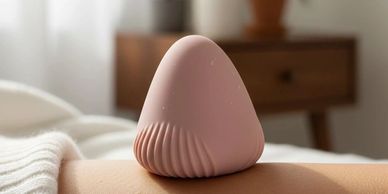
Low sexual desire can be influenced by stress, hormones, fatigue, mental health, relationship dynamics, or life transitions. It doesn’t mean something is broken—it often means your body or nervous system needs support. For those experiencing challenges, understanding the underlying factors is essential. Sex tools that can help include external vibrators or air-pulse toys, which can spark sensation without requiring arousal first. These tools can reduce pressure, increase curiosity, and help pleasure feel more accessible again.

Notice what your body is asking for.
Growth starts with being heard. This trauma-informed survey offers space to name what you need.